Frame 11
Group 2
Group 3
Northeast Health Services logo with text 'A member of Transformations Care Network'

Northeast Health Services – Quincy, MA

Northeast Health Services – Quincy, MA

Frequently Asked Questions
What does TMS therapy treat?
This innovative mental health treatment has been FDA-approved to treat a number of conditions, and ongoing research efforts are underway to investigate its effectiveness in treating other conditions as well. TMS therapy may be helpful in treating: Depression OCD Anxiety PTSD Depression Major Depressive Disorder is one of the most common mental health conditions worldwide. Even so, finding the right treatment or combination of treatments to adequately address depression symptoms may be a challenge. As many as two-thirds of people seeking treatment for depression do not achieve adequate relief from the first medication they are prescribed. TMS therapy is an FDA-approved therapy for treatment-resistant depression. Dozens of studies have recommended TMS therapy as a safe and effective treatment option for depression. NeuroStar Advanced Therapy, one of the leading providers in TMS technology, estimates that 7 in 10 patients respond to TMS therapy for depression, with 5 in 10 patients achieving full remission of
What are common side effects of TMS therapy?
Many mental health treatments come with a variety of side effects. One of the factors that makes TMS therapy an attractive option for people seeking mental health treatment is that the side effects of TMS therapy are typically mild, particularly compared to other medication-based mental health treatments. Common side effects of TMS therapy include: Headache Scalp discomfort at the site of stimulation Tingling facial muscles Lightheadedness
How effective is TMS therapy?
TMS therapy is a safe and effective treatment option for a number of mental health conditions. Studies suggest that approximately 7 in 10 patients respond to TMS therapy, and 5 in 10 patients are able to achieve long-lasting relief from their symptoms. Research on the efficacy of TMS therapy as a treatment for different conditions is ongoing.
What happens during a TMS therapy session?
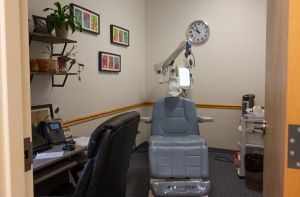
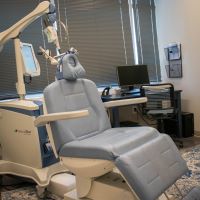
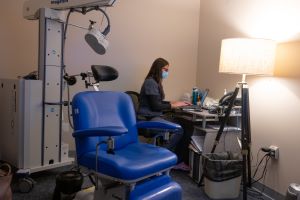
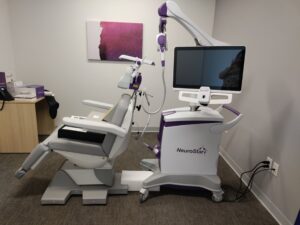
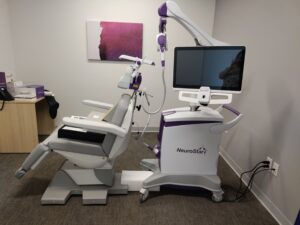
Before beginning TMS treatment, a doctor will screen your overall health as well as develop a treatment plan. A typical TMS treatment plan may include in-office TMS treatment 5 days a week for 4-6 weeks. Individual TMS treatment sessions last from 19-37 minutes. Before your TMS session, you will check in with office staff. In the exam room, you will recline in a comfortable treatment chair as the small, curved magnetic coil used to administer TMS therapy is placed against your head. During TMS therapy, you will receive focused magnetic stimulation to the target areas of your brain. You will hear a clicking sound and may feel a light tapping against your head during the session, but this should not be painful. After TMS therapy, you can be on your way and resume your normal daily activities. TMS does not affect your memory or alertness, so it’s safe to drive yourself home.

Insurances Accepted
AetnaCarelonCignaCommonwealth Care AllianceFallonHarvard Pilgrim Health CareHealth New EnglandMass General Brigham Health PlanMass HealthMassachusetts Behavioral Health PartnershipMBHPMedicareOptumOtherSenior Whole HealthTriCareTufts Health PlanUniCareUnitedUnited HealthcareWellsense Health Plan
Conditions Treated
ADD/ADHDAnxietyAutismBipolar DisorderDepressionEating DisordersMajor Depressive DisorderOCDPanic DisorderPTSDSchizophreniaSleep Disorder
Treatments Offered
Medication ManagementPsychiatric ServicesTalk TherapyTMS Therapy
Opening Hours
Monday :   8:30am - 5:00pm
Tuesday :   8:30am - 5:00pm
Wednesday :   8:30am - 5:00pm
Thursday :   8:30am - 5:00pm
Friday :   8:30am - 5:00pm
Saturday :   Closed
Sunday :   Closed

Our Quincy, MA team is proud to offer a full suite of personalized mental health services, including therapy, psychiatry, medication management, and TMS therapy. We offer in-person services as well as convenient telehealth options and we are in network with most insurance plans.

We believe quality, easily accessible mental health care can transform lives and communities across the country. Transformations Care Network is a national network of mental healthcare providers. Northeast Health Services is a member of the Transformations Care Network. We provide comprehensive outpatient mental health services to children, adolescents, and adults. Our Network is built on a foundation of rapid access, quality care, and planning for the future of mental healthcare. Our team of professionals is dedicated to providing care for everyone who needs it. We focus on the provision of mental healthcare that is family-centered, community-based, and culturally competent. We believe in the importance of working collaboratively with our patients’ families and communities to provide the best possible care.

Google Reviews
4.4(88 reviews)
Renee Chase
Renee Chase4 weeks ago

I have had a great experience with Dr Laura Antonio Barbosa. She is very professional and patient. I have vestibular hypofunction and have lost my recent memory and she is very kind about my memory la... Read more

Stephanie Lenane
Stephanie Lenane2 months ago

I got matched with amazing people. My therapist is very supportive and I can reach out to her anytime! My med provider is also very supportive. They actually listen to what I'm saying! I recommend Nor... Read more

jarek morgan
jarek morgan5 months ago

Jason in the admin office deserves a shout out. Every time I call he is friendly, professional, and incredibly helpful. He handles questions with patience and genuine understanding, and you can tell h... Read more

Elizabeth C.
Elizabeth C.7 months ago

I was able to get my first appointment pretty quickly, about 3 days after I called to see someone. On the phone call they went through some questions to match me with a therapist who's experience matc... Read more

Lisa Baxter
Lisa Baxter3 months ago

Get it together Darkovna Juste. I apologize if spelled incorrectly. I can't think right now. I love ppl and understand everyone has their own experiences/backgrounds leading to their current personali... Read more

FAQ

What does TMS therapy treat?+

This innovative mental health treatment has been FDA-approved to treat a number of conditions, and ongoing research efforts are underway to investigate its effectiveness in treating other conditions as well. TMS therapy may be helpful in treating: Depression OCD Anxiety PTSD Depression Major Depressive Disorder is one of the most common mental health conditions worldwide. Even so, finding the right treatment or combination of treatments to adequately address depression symptoms may be a challenge. As many as two-thirds of people seeking treatment for depression do not achieve adequate relief from the first medication they are prescribed. TMS therapy is an FDA-approved therapy for treatment-resistant depression. Dozens of studies have recommended TMS therapy as a safe and effective treatment option for depression. NeuroStar Advanced Therapy, one of the leading providers in TMS technology, estimates that 7 in 10 patients respond to TMS therapy for depression, with 5 in 10 patients achieving full remission of

Many mental health treatments come with a variety of side effects. One of the factors that makes TMS therapy an attractive option for people seeking mental health treatment is that the side effects of TMS therapy are typically mild, particularly compared to other medication-based mental health treatments. Common side effects of TMS therapy include: Headache Scalp discomfort at the site of stimulation Tingling facial muscles Lightheadedness

TMS therapy is a safe and effective treatment option for a number of mental health conditions. Studies suggest that approximately 7 in 10 patients respond to TMS therapy, and 5 in 10 patients are able to achieve long-lasting relief from their symptoms. Research on the efficacy of TMS therapy as a treatment for different conditions is ongoing.

Before beginning TMS treatment, a doctor will screen your overall health as well as develop a treatment plan. A typical TMS treatment plan may include in-office TMS treatment 5 days a week for 4-6 weeks. Individual TMS treatment sessions last from 19-37 minutes. Before your TMS session, you will check in with office staff. In the exam room, you will recline in a comfortable treatment chair as the small, curved magnetic coil used to administer TMS therapy is placed against your head. During TMS therapy, you will receive focused magnetic stimulation to the target areas of your brain. You will hear a clicking sound and may feel a light tapping against your head during the session, but this should not be painful. After TMS therapy, you can be on your way and resume your normal daily activities. TMS does not affect your memory or alertness, so it’s safe to drive yourself home.

Common Questions

1. Does the healthcare office offer private or semi-private rooms?

2. Does the healthcare office have a space where a friend or partner can sit while I get treatment?

3. Does the healthcare office coordinate transportation or allow rideshares to and from treatment?

4. Does the healthcare office have extended hours?

5. Do you offer free consultations on TMS, Ketamine or Spravato?

6. What is the price range for ?

7. Types of TMS offered (standard rTMS, deep TMS, theta burst, accelerated TMS)

8. Awards or accreditations

9. Professional affiliations (APA, Clinical TMS Society, etc.)

Finance

1. Do you accept HSA or FSA Funds ?

2. Do you offer payment plans ?

3. Do you accept Medical Credit Cards ?

Payment Type

Cost

Map

Treatments Offered
Medication ManagementPsychiatric ServicesTalk TherapyTMS Therapy
Conditions Treated
ADD/ADHDAnxietyAutismBipolar DisorderDepressionEating DisordersMajor Depressive DisorderOCDPanic DisorderPTSDSchizophreniaSleep Disorder
Opening Hours
Monday :   8:30am - 5:00pm
Tuesday :   8:30am - 5:00pm
Wednesday :   8:30am - 5:00pm
Thursday :   8:30am - 5:00pm
Friday :   8:30am - 5:00pm
Saturday :   Closed
Sunday :   Closed
Insurances Accepted
AetnaCarelonCignaCommonwealth Care AllianceFallonHarvard Pilgrim Health CareHealth New EnglandMass General Brigham Health PlanMass HealthMassachusetts Behavioral Health PartnershipMBHPMedicareOptumOtherSenior Whole HealthTriCareTufts Health PlanUniCareUnitedUnited HealthcareWellsense Health Plan